

Introduction
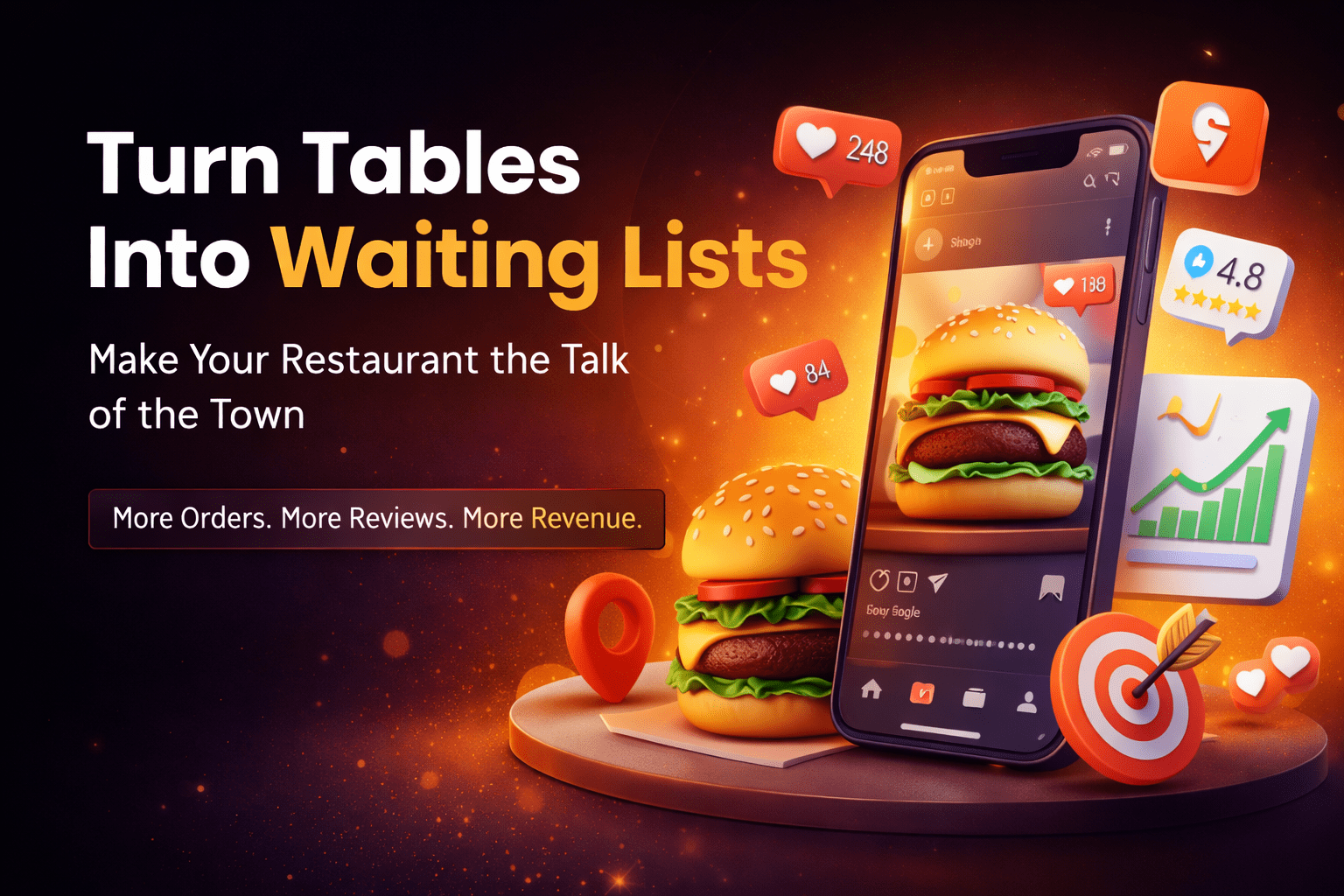
The restaurant industry has undergone a massive transformation in the digital era. Today’s diners do not simply walk into the nearest restaurant; they search online, compare ratings, browse food photos, read reviews, and check social media before making a decision. Because of this behavioural shift, digital marketing has become a fundamental growth strategy for restaurants that want to remain competitive and profitable.
Digital marketing for restaurants is not just about posting food images on social media. It is about building a structured online presence that attracts potential customers, engages existing diners, strengthens brand reputation, and ultimately increases reservations and sales. A well-planned strategy ensures that your restaurant appears at the right place, at the right time, when customers are actively searching for dining options.
When implemented best digital marketing service it has a seamless connection between your restaurant and your audience from discovery to dining experience to long-term loyalty.
The Importance of Digital Marketing for a Restaurant
Restaurants operate in a highly competitive environment where customer attention is limited. Digital marketing ensures that your restaurant stays visible and relevant in this crowded marketplace.
Increased Online Visibility
When customers search for phrases like “best restaurant near me” or “family dining in my city,” search engines display results based on relevance and optimisation. Restaurants that invest in search engine optimisation (SEO) and local search visibility are more likely to appear at the top. This visibility directly impacts foot traffic and online reservations.
Strong Brand Identity
Digital platforms allow restaurants to communicate their unique story, cuisine style, ambience, and customer experience. Through consistent messaging, colours, tone, and visuals, your restaurant develops a memorable identity. Customers begin to recognise your brand before they even visit, increasing trust and familiarity.
Building Trust Through Reviews
Online reviews significantly influence customer decisions. Positive ratings, professional responses to feedback, and transparent communication demonstrate reliability and accountability. Managing your online reputation builds credibility and encourages new customers to try your restaurant with confidence.
Continuous Customer Engagement
Digital marketing provides ongoing communication channels. Through social media posts, email newsletters, and promotional updates, restaurants can stay connected with their audience beyond the dining experience. This continuous engagement increases repeat visits and strengthens long-term relationships.
Essential Digital Marketing Channels to Use for the Restaurant Industry
A successful restaurant marketing strategy combines multiple digital channels working together. Each channel plays a specific role in attracting, converting, and retaining customers.
Website and Search Engine Optimisation (SEO)
Your restaurant’s website acts as the foundation of your digital presence. It should be:
- Mobile-friendly
- Fast-loading
- Easy to navigate
- Visually appealing
- Updated with accurate menu and contact details
Local SEO is especially important for restaurants. Optimising your website with relevant location-based keywords, structured data, and updated business listings improves visibility in local search results. This ensures that customers searching in your area can easily discover your restaurant.
Social Media Marketing
Social media platforms such as Instagram, Facebook, and TikTok are powerful tools for visual storytelling. Restaurants can showcase:
- Signature dishes
- Chef highlights
- Behind-the-scenes kitchen moments
- Customer testimonials
- Special events and offers
Short videos, reels, and interactive stories help build emotional connections. Consistency in posting and responding to comments enhances engagement and brand loyalty.
Content Marketing and Blogging
Publishing blog content related to food trends, dining experiences, and restaurant updates improves SEO and positions your restaurant as an authority in the industry. Educational and engaging content increases organic traffic and helps answer common customer queries.
This resource explains how structured optimization improves search rankings — a crucial aspect for restaurants competing in local markets.
Email Marketing
Email marketing allows restaurants to communicate directly with their customer base. Sending personalized newsletters, special offers, birthday discounts, and event announcements helps maintain strong relationships. Because emails reach customers who have already shown interest, conversion rates are often higher.
Paid Digital Advertising
Paid advertising campaigns on Google and social media platforms help restaurants target specific audiences based on location, age, interests, and behavior. These campaigns can promote:
- Limited-time offers
- New menu launches
- Festive events
- Weekend specials
Because digital ads are measurable, restaurants can monitor performance and optimize campaigns for better results.
Restaurant Online Marketing Strategies for Allocating Your Budget
Budget allocation is critical to ensuring that digital marketing service efforts produce measurable returns. Restaurants should approach budgeting strategically rather than randomly investing in promotions.
Invest in Long-Term SEO
Search engine optimisation is a long-term investment that continues generating organic traffic without recurring advertising costs. Allocating part of the budget toward website optimisation, keyword research, and content development creates sustainable visibility.
Balance Organic and Paid Marketing
Organic strategies such as social media engagement and blogging build brand credibility over time. Paid campaigns provide immediate visibility and traffic boosts. A balanced approach ensures both short-term and long-term growth.
Focus on Local Targeting
Restaurants serve a specific geographic area. Therefore, marketing spend should prioritise local audiences. Location-based ads and local SEO offer higher conversion rates compared to broad national campaigns.
Monitor Performance Metrics
Track metrics such as:
- Website traffic
- Reservation numbers
- Click-through rates
- Social engagement
- Customer acquisition cost
Regular analysis allows restaurants to adjust spending toward channels that generate the highest return on investment.
Allocate Budget for Professional Support
In some cases, partnering with digital marketing company ensures better strategic planning, execution, and measurable outcomes. Investing in expert guidance often leads to improved efficiency and performance.
Digital Marketing in the Restaurant Industry with Professional Tools
Technology simplifies digital marketing management and enhances operational efficiency. Modern tools allow restaurants to centralise campaigns, automate communication, and analyse performance data.
Analytics and Data Tracking
Data-driven decision-making is essential for growth. Analytics tools provide insights into customer behaviour, popular menu items, and campaign performance. Understanding these patterns helps refine strategies and improve marketing effectiveness.
Automation Tools
Automation platforms can schedule social media posts, send email campaigns, confirm reservations, and manage customer feedback. This reduces manual workload while maintaining consistent communication.
Online Reservation Systems
Integrated booking systems improve customer convenience and provide valuable data for remarketing campaigns. Automated reminders reduce no-shows and enhance customer experience.
Reputation Management Software
Monitoring review platforms in one dashboard ensures timely responses and consistent brand communication. Positive reputation management increases trust and encourages more customers to choose your restaurant.By integrating professional tools into daily operations, restaurants can streamline marketing activities while focusing on delivering exceptional dining experiences.
Conclusion
Digital marketing has become an essential pillar for restaurant success in the modern marketplace. From improving online visibility and building brand recognition to managing customer engagement and driving reservations, a structured digital strategy ensures sustainable growth.
Restaurants that prioritise website optimisation, social media engagement, SEO, content marketing, and targeted advertising position themselves ahead of competitors. Strategic budget allocation, continuous performance monitoring, and the use of professional tools further enhance results.
Ultimately, digital marketing connects restaurants with customers at every stage of their journey. When executed consistently and strategically, it transforms online visibility into real-world dining experiences and long-term customer loyalty.